





In the world of railroads, few names stand out as much as Claude Elkins. With a career spanning decades, his leadership and innovative ideas have left a lasting impact on the industry.
This blog post aims to explore his legacy, shedding light on how his work not only revolutionized the railroad sector but also established him as a pioneering force in American transportation history.
Introduction to Claude Elkins Legacy
Claude Elkins was a man of vision, dedicated to transforming the railroad industry into a more efficient and innovative sector. His leadership not only elevated the companies he worked for but also shaped the future of railroads in America.
By the end of this article, you will gain insights into how Elkins’ strategic thinking and forward-thinking approach continue to influence the industry today.
What sets Claude Elkins apart from others in the same field? It’s his ability to drive change, make tough decisions, and introduce new technologies that improved both operational efficiency and safety in rail transport.
Whether you are a transportation enthusiast, a history buff, or a business leader looking for inspiration, understanding Elkins’ contributions will offer valuable lessons in leadership, innovation, and resilience.
The Early Years of Claude Elkins
Claude Elkins’ journey in the railroad industry began from humble beginnings. Born in a small town with limited opportunities, Elkins quickly developed a passion for trains and engineering.
This early fascination led him to pursue a career in the railroad sector, where he started working in various operational roles.By focusing on the practical aspects of the railroad business, Elkins gained firsthand experience in the challenges and opportunities the industry faced.
His rise from an entry-level position to influential roles within major railroad companies is a testament to his hard work, dedication, and leadership skills.
Key Moments that Defined Elkins’ Career
Throughout his career, several key moments stood out, cementing Elkins’ place as a visionary leader. His work during the early stages of his career focused on enhancing operational efficiency. This period marked his involvement in streamlining railroad processes and systems, contributing to a more sustainable and cost-effective industry.
Elkins’ greatest achievement came when he assumed leadership positions within major railroad companies. Under his leadership, many companies introduced groundbreaking technologies that changed the landscape of the railroad industry.
Revolutionizing Operations and Introducing New Technologies
Claude Elkins’ leadership was defined by his ability to introduce innovative solutions that made the railroad industry more efficient. One of his major achievements was the implementation of advanced signaling systems and automated control systems that improved safety and operational efficiency.
Elkins was also a strong proponent of technological advancements such as electric locomotives and automation. He saw early on that the future of railroads depended on embracing new technologies that would not only increase safety but also improve sustainability and cost-effectiveness in operations.
His contributions to safety were particularly significant. In an industry where accidents could often be fatal, Elkins championed the development of safety standards that became the foundation for the railroad industry’s modern safety protocols.
For More Learing About realistic Go To: PureArtSketch
Claude Elkins’ Vision for the Future of Railroads
Claude Elkins was not just a leader in the moment; he was a forward thinker who understood that the railroad industry needed to evolve to keep pace with changing demands. His vision extended beyond mere operational efficiency; he believed that railroads could serve as a major engine for economic growth and environmental sustainability.
Sustainability and Green Innovations
Elkins recognized that the railroad industry had a role to play in combating climate change. He advocated for the adoption of greener technologies, such as electric-powered locomotives and alternative fuel sources. Under his leadership, the industry began to explore renewable energy sources and implement measures to reduce its carbon footprint.
In addition to his efforts towards sustainability, Elkins pushed for modernization in infrastructure. He led initiatives to upgrade aging tracks and bridges, ensuring that railroads could meet the demands of the 21st century. His approach to infrastructure development included the creation of high-speed rail systems that were faster, more reliable, and environmentally friendly.
Workforce Development and Leadership
Elkins’ leadership style was also focused on workforce development. He understood that the success of any company is rooted in its people. By investing in training and development programs, Elkins ensured that workers were equipped with the necessary skills to thrive in an increasingly high-tech industry.
He fostered a culture of innovation within the railroad companies he worked with, encouraging employees at all levels to contribute ideas and solutions. His approach helped bridge the gap between traditional railroad practices and the cutting-edge technologies that defined the future of the industry.
The Enduring Impact of Claude Elkins’ Work
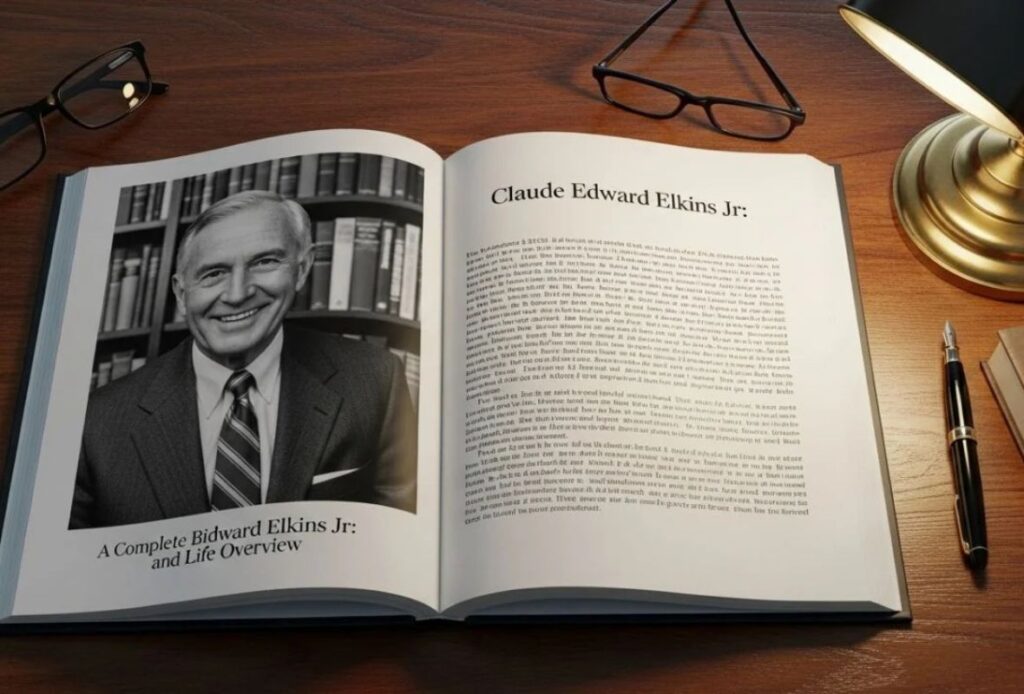
Today, many of the innovations that Elkins introduced continue to shape the railroad industry. His emphasis on safety, efficiency, and sustainability has become a benchmark for modern railroad companies. The technologies he advocated for, such as automated systems and electric locomotives, are now commonplace across the industry.
In addition to his technological advancements, Elkins’ leadership set a standard for future railroad executives. His focus on ethics, employee development, and sustainability has influenced generations of leaders who continue to strive for the same balance of innovation and responsibility that Elkins embodied.
A Model for Future Generations
Claude Elkins’ legacy is more than just a series of innovations it’s a model of leadership that future generations can look to for inspiration. His story demonstrates how one individual, through vision, hard work, and a commitment to positive change, can revolutionize an entire industry.
His impact is felt not only in the railroad industry but also in how modern businesses approach leadership and innovation. Companies across various sectors now look to Elkins’ approach as a guide for fostering change, promoting sustainability, and developing the workforce of tomorrow.
Conclusion:
Claude Elkins’ influence on the railroad industry is undeniable. Through his innovative ideas, leadership, and unwavering dedication to progress, he transformed the railroad sector into a more efficient, safe, and sustainable industry.
His work not only set the stage for modern rail systems but also established a legacy of leadership that continues to inspire today’s leaders. Elkins’ ability to adapt to changing times and embrace new technologies allowed him to leave an indelible mark on the railroad industry.
His story is a testament to the power of vision, the importance of innovation, and the impact of strong leadership. As we move forward, it is clear that the legacy of Claude Elkins will continue to guide the railroad industry for years to come.
Frequently Asked Question(FAQs)
1. Who was Claude Elkins?
Claude Elkins was a transformative railroad leader known for modernizing operations and improving transportation systems. His work set new standards for efficiency and innovation in the industry.
2. What made Claude Elkins influential in railroad history?
He introduced progressive management practices and pushed for technological upgrades long before they became common. His leadership helped shape a more reliable and advanced railway network.
3. How did Claude Elkins contribute to innovation in railroads?
Elkins championed modernization, from improved locomotive efficiency to better safety protocols. His forward-thinking approach helped railroads adapt to changing industrial demands.
4. What leadership qualities defined Claude Elkins?
He was known for strategic decision-making, commitment to modernization, and a strong focus on employee development. These qualities made him a respected figure in railroad operations.
5. Why is Claude Elkins still remembered today?
His legacy lives on through the operational improvements and innovations he brought to the railway industry. Historians view him as a key figure who helped elevate rail transport into a modern era.