






In a world constantly shifting between the traditional and the modern, the concept of Ag-Kunst-Kultur represents a powerful fusion of artistic traditions and contemporary practices. This intersection of agriculture, art, and culture not only celebrates the rich history of human creativity but also paves the way for the innovative expressions of today.
As we journey through the essence of Ag-Kunst-Kultur, we will explore how these elements intertwine to shape the world we live in, creating a dynamic environment where art meets agriculture and culture flourishes in new forms.
By reading this article, you will gain a deeper understanding of Ag-Kunst-Kultur, its origins, significance, and the influence it has on modern art, agriculture, and cultural preservation. Whether you’re an art enthusiast, a culture aficionado, or someone passionate about agricultural innovation, this article will provide insights into the synergy that exists between these fields.
What Is Ag-Kunst-Kultur?
Ag-Kunst-Kultur is a German term that brings together the concepts of agriculture (“Ag”), art (“Kunst”), and culture (“Kultur”). It reflects a holistic approach to understanding how art and culture can shape agricultural practices and vice versa.
This concept goes beyond merely visual representations of farming life or artistic interpretations of rural landscapes; it delves into the cultural and societal values that both fields embody.
- Agriculture: At its core, agriculture represents the backbone of human civilization, providing sustenance and shaping societal structures.
- Art: Art serves as a mirror to society, reflecting the values, struggles, and innovations of its time. Through paintings, sculptures, and digital mediums, it can preserve the history of agriculture while also promoting its future.
- Culture: Culture is the framework through which societies express their identity, values, and traditions. It often draws inspiration from agriculture and art, creating a continuous cycle of exchange.
The Roots of Ag-Kunst-Kultur: A Historical Perspective
The connection between art and agriculture is not a modern invention. In ancient civilizations, agriculture was not only essential for survival but also deeply intertwined with artistic practices. The Egyptians, for example, used art to depict the cycles of the Nile River, showcasing how agricultural prosperity was directly related to the land’s fertility.
As time passed, different cultures integrated agriculture into their art, from the Greco-Roman depictions of harvest festivals to the romanticized portrayals of rural life in the Renaissance period.
In these works, farming was not just a means of livelihood but also a symbol of harmony between nature and humanity.The Industrial Revolution further transformed the relationship between agriculture and art, as the rapid growth of cities shifted the focus of art from rural life to urban experiences.
However, the rise of environmental movements in the 20th century led to a resurgence of interest in the intersection of agriculture, culture, and art. Artists began to explore how agricultural landscapes, practices, and sustainability were being impacted by industrialization and modernity.
The Modern Interpretation of Ag-Kunst-Kultur
Today, Ag-Kunst-Kultur is not only a celebration of the past but also a vital conversation about the future. With the global population growing and urbanization on the rise, the need for sustainable agricultural practices and innovative cultural expressions has never been more pressing.
Modern artists and farmers alike are engaging in this dialogue, using art to challenge conventional agricultural methods and explore new ways to promote environmental sustainability.
Art and Agriculture in the 21st Century
In the contemporary world, artists are exploring new mediums to express the relationship between agriculture and modern culture. Whether through photography, installations, or digital art, there are countless ways in which artists are responding to the challenges faced by the agricultural industry today.
For example:
- Sculptures and Installations: Some artists are using organic materials, like soil and plants, to create sculptures that reflect the interconnectedness of life and nature.
- Digital Art and Media: New technologies allow artists to depict agricultural life in innovative ways, bringing attention to environmental issues like climate change and food security.
Cultural Preservation Through Artistic Expression
Beyond the depiction of agriculture itself, Ag-Kunst-Kultur also involves the preservation of agricultural traditions and heritage. Many artists today are focused on documenting traditional farming methods, ancient crops, and local food cultures that are at risk of being lost in the face of modernization.
Through paintings, documentaries, and other forms of art, these artists contribute to the safeguarding of cultural identities that have been shaped by agricultural practices.
By engaging in these forms of cultural preservation, artists are not only keeping history alive but are also creating a platform for discussions around the role of agriculture in shaping the future. This involves rethinking our relationship with food, land, and nature and finding new ways to respect and honor traditional knowledge while embracing modern advancements.
For More Learing About realistic Go To: PureArtSketch
The Role of Sustainable Agriculture in Ag-Kunst-Kultur
Sustainability is a core principle of the Ag-Kunst-Kultur movement, as both agriculture and art are deeply impacted by environmental changes. The need for eco-friendly farming practices and the reduction of agriculture’s carbon footprint are key concerns for artists, activists, and farmers alike.
Many artists are exploring how sustainable agriculture can be integrated into urban settings, where access to traditional farming land is limited.
Additionally, artists are collaborating with farmers and environmentalists to create art installations that promote awareness about sustainability. These collaborations often emphasize the importance of preserving biodiversity, using organic farming techniques, and advocating for policies that support eco-friendly practices.
Ag-Kunst-Kultur in Urban Spaces
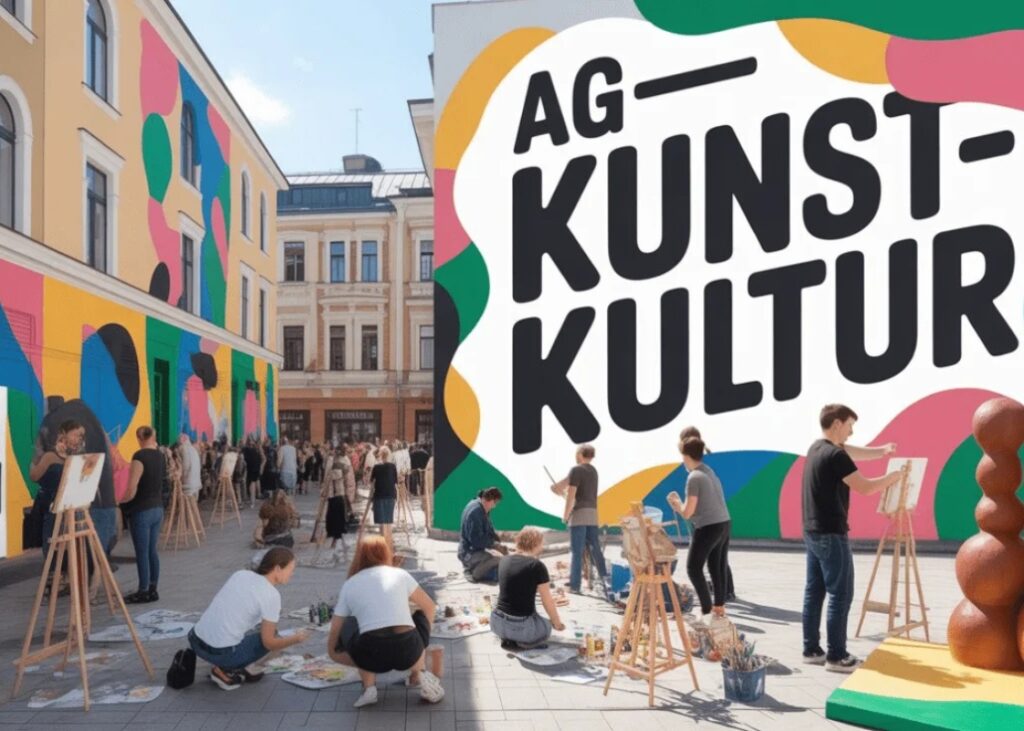
As cities expand, the integration of agriculture into urban settings becomes increasingly important. Vertical farms, rooftop gardens, and urban farming projects have become a focal point for many artists and cultural institutions.
These projects not only serve as a response to the growing demand for locally sourced food but also as a way to reconnect city dwellers with the land. Artists are taking this one step further by using these urban farming spaces as creative canvases.
Community gardens and farms often serve as sites for collaborative art projects that involve local residents. These projects foster a sense of community while promoting sustainable agriculture and the preservation of cultural traditions.
Urban Agriculture and Community Building
Urban agriculture, coupled with artistic expression, fosters a sense of community that is often missing in the fast-paced, isolated nature of city life. These collaborative projects allow people to reconnect with nature and with each other, creating a shared sense of purpose around environmental stewardship and cultural preservation.
Conclusion
In an age where sustainability, creativity, and cultural heritage are more important than ever, the fusion of agriculture, art, and culture offers a unique opportunity to rethink how we interact with the world around us.
As we move forward, it is essential that both artists and agriculturalists continue to collaborate, combining their expertise to create innovative solutions to the challenges we face.
The rich traditions of agriculture, when combined with the creative spirit of modern art, will shape a future that is not only sustainable but also culturally vibrant and artistically rich.
By embracing Ag-Kunst-Kultur, we can ensure that both the past and the future are preserved, celebrated, and integrated into the evolving narrative of human progress.
Frequently Asked Question(FAQs)
1. What does Ag-Kunst-Kultur represent?
Ag-Kunst-Kultur represents a blend of traditional artistic practices and modern cultural expression. It highlights how heritage and innovation coexist in today’s creative landscape.
2. Why is Ag-Kunst-Kultur important in modern society?
It preserves historical artistic identity while inspiring contemporary creativity. This balance helps communities stay rooted yet forward-thinking.
3. How does Ag-Kunst-Kultur connect past and present?
It revitalizes ancient art forms by adapting them to modern techniques and platforms. This creates a bridge where tradition evolves but never disappears.
4. What role does technology play in Ag-Kunst-Kultur today?
Technology enables artists to reinterpret cultural heritage through digital tools. It also helps reach global audiences and preserve artworks more effectively.
5. How can individuals engage with Ag-Kunst-Kultur?
People can explore exhibitions, support cultural projects, or learn traditional art skills. Engaging with it deepens appreciation for both heritage and modern creativity.